How to Verify a Psychedelic Service Provider’s Legal Status in the United States
verify psychedelic service provider legal status - How to Verify a Psychedelic Service Provider’s Legal Status in the United States

Interest in commercial psychedelics is growing, but legal access remains narrow and highly specific. Here is a practical framework for checking licensing, claims, consent procedures, and safety before engaging with any psychedelic provider.


Psychedelic Behavior Change Research: What New Studies Can—and Cannot—Show

psychedelic behavior change research - Psychedelic Behavior Change Research: What New Studies Can—and Cannot—Show

Recent research is examining whether psychedelics may influence habits, health behaviors, and decision-making. Here is how to interpret the evidence without overstating what science has proved.

Psychedelic Retreat Insurance in the U.S.: Coverage, Licensing, and Liability Explained

psychedelic retreat insurance - Psychedelic Retreat Insurance in the U.S.: Coverage, Licensing, and Liability Explained

Insurance is one of the clearest indicators of whether a psychedelic retreat takes operational safety seriously. Here is how coverage, licensing, liability, and emergency planning fit together in the United States.

DMT Clinical Trials in the United States: Eligibility, Evidence, and Legal Access

DMT clinical trials - DMT Clinical Trials in the United States: Eligibility, Evidence, and Legal Access

DMT research is attracting attention, but legitimate access is governed by clinical protocols, regulatory oversight, and strict eligibility requirements. Here is how to evaluate trials and research opportunities in the United States.

5-MeO-DMT vs. NN-DMT: Key Differences in Effects, Risks, and Legal Context

5-MeO-DMT vs NN-DMT safety differences - 5-MeO-DMT vs. NN-DMT: Key Differences in Effects, Risks, and Legal Context

5-MeO-DMT and NN-DMT are often discussed as though they are interchangeable. They are not. This educational guide explains their differences, risks, effects, screening considerations, and legal status in the United States.

Gas Station Psychedelics and Unknown Drug Products: A U.S. Safety Guide

gas station drug testing psychedelic safety - Gas Station Psychedelics and Unknown Drug Products: A U.S. Safety Guide

Products marketed as psychedelics at gas stations, smoke shops, and online marketplaces may contain unexpected ingredients or inaccurate labels. This guide explains the safety, testing, and legal issues U.S. consumers should understand before trusting a product claim.

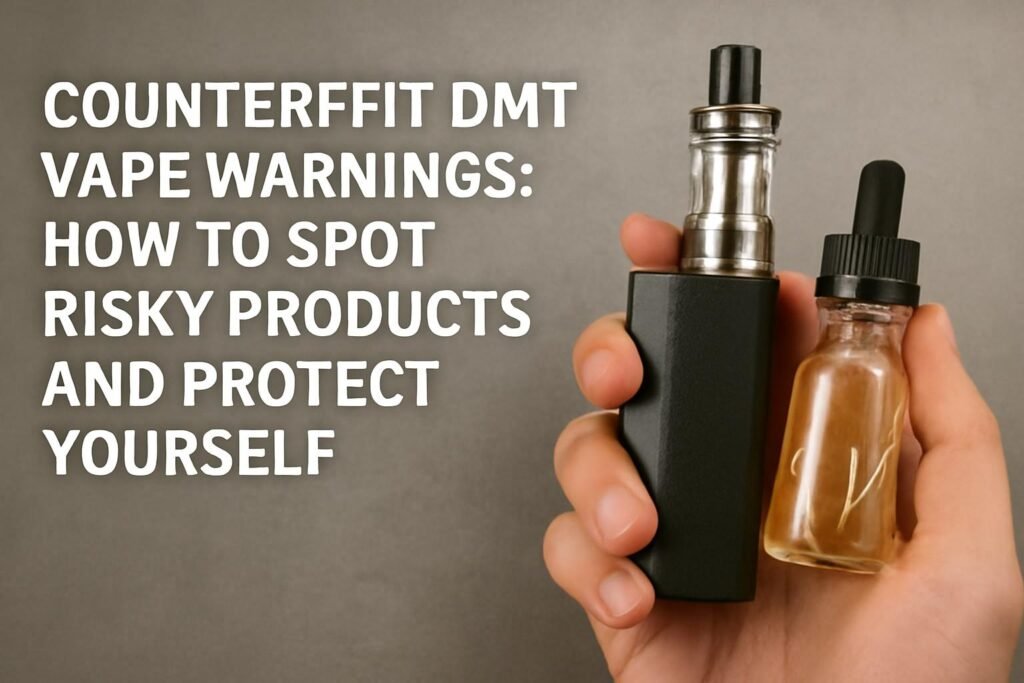
Counterfeit DMT Vape Warnings: How to Spot Risky Products and Protect Yourself

counterfeit DMT vape warnings - Counterfeit DMT Vape Warnings: How to Spot Risky Products and Protect Yourself

Counterfeit DMT vape products can contain unknown substances, inaccurate concentrations, or hazardous additives. Learn how to evaluate warning signs, understand the legal landscape, and respond to possible exposure.

Psychedelic Scheduling and Research Access in the United States: What Changes and What Does Not

psychedelic scheduling and research access - Psychedelic Scheduling and Research Access in the United States: What Changes and What Does Not

Federal scheduling remains one of the most important factors shaping psychedelic research in the United States. Here is how the process works, what researchers must prove, and why research access is not the same as retail availability.

When Psychedelic Treatment Brings New Troubles: Planning for the Aftermath

psychedelic treatment aftermath support - When Psychedelic Treatment Brings New Troubles: Planning for the Aftermath

Psychedelic treatment can produce difficult psychological, physical, and social consequences after the acute experience ends. Learn how to recognize warning signs, assess aftercare, and seek qualified support.

State Psychedelic Programs vs. FDA Approval: What U.S. Consumers Should Know

state psychedelic programs vs FDA approval - State Psychedelic Programs vs. FDA Approval: What U.S. Consumers Should Know

State psychedelic programs and FDA approval are separate legal and medical pathways. Here is how they differ, what supervised access may involve, and how to evaluate claims responsibly.