The U.S. psychedelic landscape is changing, but headlines about state programs and FDA decisions do not automatically create a legal retail market. Learn how research, regulated services, screening, and consumer protection fit together.
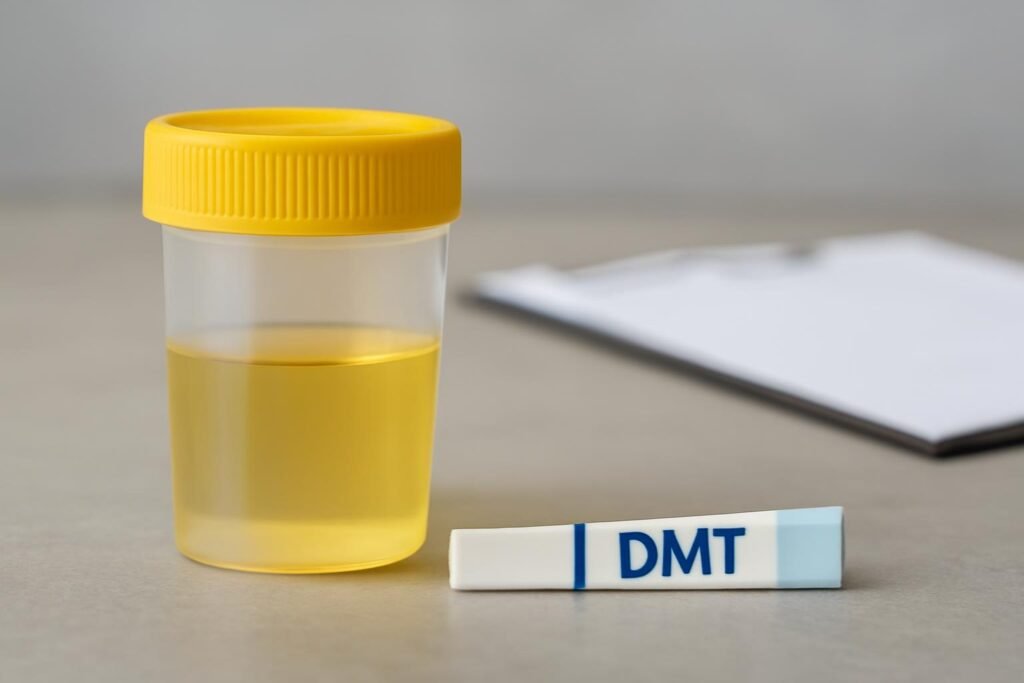
DMT is one of the shortest-acting psychedelics, but detection windows vary by test type, dose, and frequency of use. This guide explains how long DMT can stay in urine, blood, saliva, and hair, why routine drug panels often miss it, and how U.S. consumers can think about testing and risk more clearly.
The U.S. psychedelic landscape is changing, but DMT remains federally controlled. Learn how research, FDA review, state programs, and consumer protections may shape the future of DMT access.
Growing interest in DMT commercialization is creating confusion between clinical research, state-regulated services, and online retail claims. This guide explains the differences and the questions consumers should ask.
Commercial psychedelic services and products are developing faster than many consumers realize. This practical guide explains how to assess legal status, evidence, provider credentials, product claims, testing, privacy, and personal risk in the United States.
Psychedelic science is moving quickly, but research findings, FDA approval, state programs, and consumer access are separate issues. This guide explains the gap and the safeguards that matter.
Psychedelic headlines often blur the difference between clinical research, state-regulated services, and unregulated products. This guide explains how to evaluate claims carefully and make safer, better-informed decisions.
Online listings and attractive packaging cannot prove what a psychedelic vape contains. This educational guide explains adulteration risks, documentation, drug checking limits, and practical questions consumers should ask before exposure.
New research suggests that certain forms of intensive breathwork can produce altered states resembling some features of psychedelic experiences. Here is what the evidence shows, where comparisons to psychedelics become misleading, and how to approach breathwork safely.
Headlines often suggest that psychedelics permanently rewire the brain. Here is how to interpret emerging evidence, separate biological signals from proven benefits, and think about safety responsibly.