State-level psychedelic initiatives are developing new access models, but they do not automatically make DMT or other federally controlled substances legal. Here is how consumers can evaluate safeguards, oversight, and clinical claims.

Commercial interest in psychedelics is growing, but a product being advertised online does not mean it is FDA-approved or legally available. This guide explains the difference between research, state-regulated services, medical approval, and unregulated sales claims.
The U.S. psychedelic landscape is changing, but legal access remains limited and highly specific. Learn how research trials, state-regulated services, federal law, and consumer protections fit together.
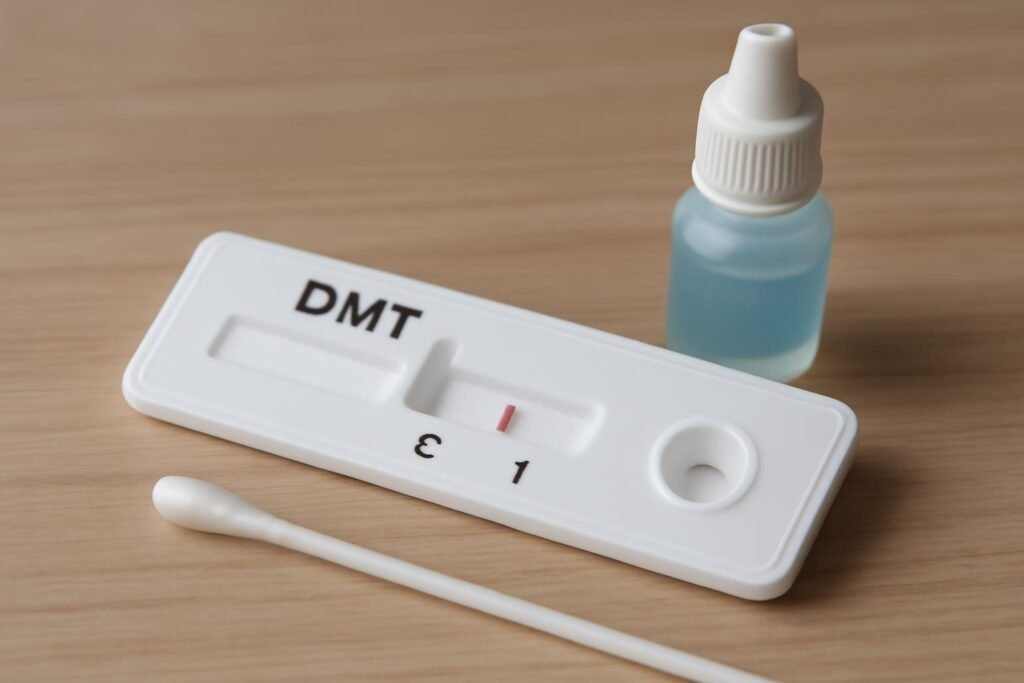
A DMT drug test kit may provide a preliminary indication of certain compounds, but it cannot prove purity, potency, sterility, or legal status. Here is how to interpret test results responsibly.
As commercial psychedelic services and products attract growing attention in the United States, consumers need more than marketing claims. This guide explains how to assess legality, evidence, testing, informed consent, privacy, and safety before engaging with any psychedelic business.
New research is examining whether psychedelics can influence habits, judgment, and decision-making. Here is how to interpret the findings without overstating what science has proved.
DMT mental health screening is an essential safety step before considering any psychedelic experience. Learn what to discuss with a qualified clinician, which risks deserve attention, and why screening is not a substitute for legal or medical care.
Interest in commercial psychedelics is growing, but legal access remains narrow and highly specific. Here is a practical framework for checking licensing, claims, consent procedures, and safety before engaging with any psychedelic provider.
Recent research is examining whether psychedelics may influence habits, health behaviors, and decision-making. Here is how to interpret the evidence without overstating what science has proved.
Insurance is one of the clearest indicators of whether a psychedelic retreat takes operational safety seriously. Here is how coverage, licensing, liability, and emergency planning fit together in the United States.