Interest in commercial psychedelics is growing, but legal access remains narrow and highly specific. Here is a practical framework for checking licensing, claims, consent procedures, and safety before engaging with any psychedelic provider.
Category Archives: Psychedelics Education
Recent research is examining whether psychedelics may influence habits, health behaviors, and decision-making. Here is how to interpret the evidence without overstating what science has proved.
Insurance is one of the clearest indicators of whether a psychedelic retreat takes operational safety seriously. Here is how coverage, licensing, liability, and emergency planning fit together in the United States.
DMT research is attracting attention, but legitimate access is governed by clinical protocols, regulatory oversight, and strict eligibility requirements. Here is how to evaluate trials and research opportunities in the United States.
5-MeO-DMT and NN-DMT are often discussed as though they are interchangeable. They are not. This educational guide explains their differences, risks, effects, screening considerations, and legal status in the United States.
Products marketed as psychedelics at gas stations, smoke shops, and online marketplaces may contain unexpected ingredients or inaccurate labels. This guide explains the safety, testing, and legal issues U.S. consumers should understand before trusting a product claim.
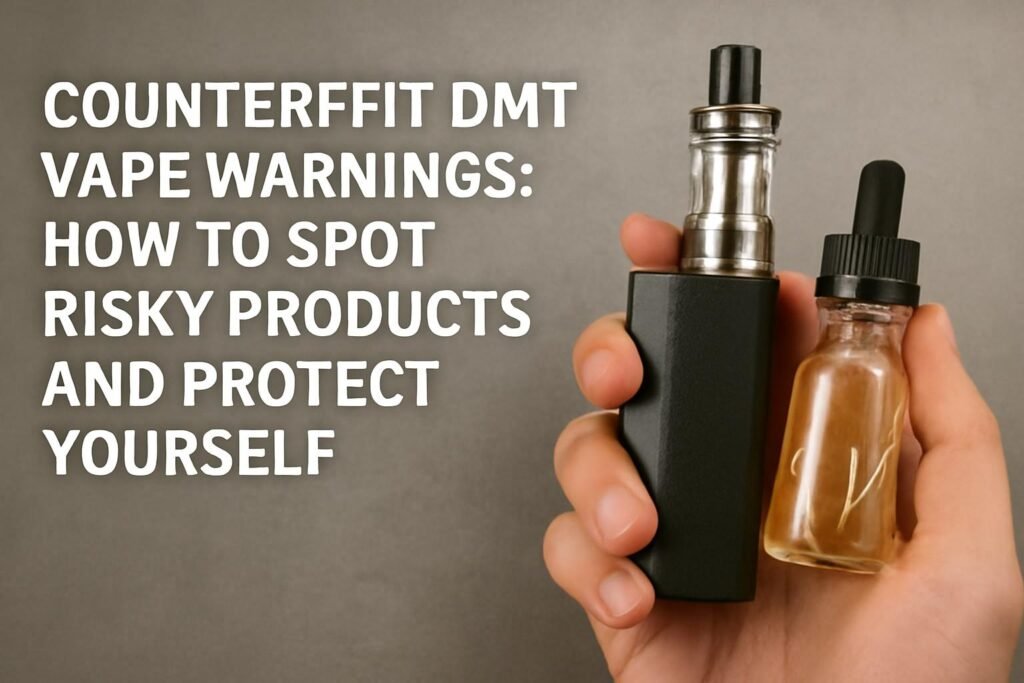
Counterfeit DMT vape products can contain unknown substances, inaccurate concentrations, or hazardous additives. Learn how to evaluate warning signs, understand the legal landscape, and respond to possible exposure.
Federal scheduling remains one of the most important factors shaping psychedelic research in the United States. Here is how the process works, what researchers must prove, and why research access is not the same as retail availability.
Psychedelic treatment can produce difficult psychological, physical, and social consequences after the acute experience ends. Learn how to recognize warning signs, assess aftercare, and seek qualified support.
State psychedelic programs and FDA approval are separate legal and medical pathways. Here is how they differ, what supervised access may involve, and how to evaluate claims responsibly.