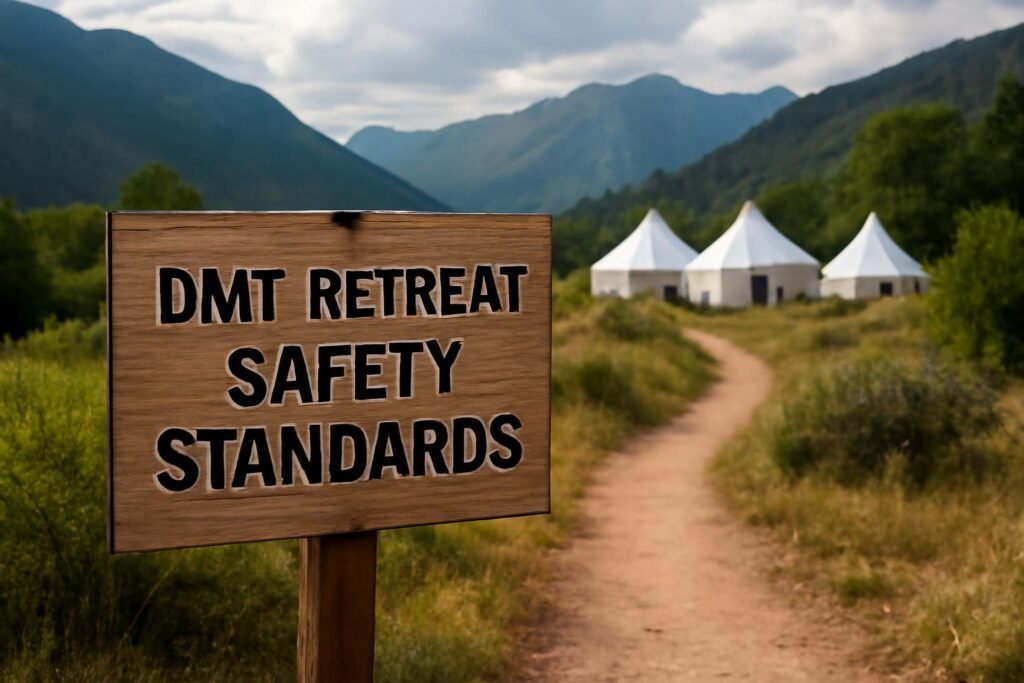
A retreat setting does not automatically make DMT or 5-MeO-DMT legal or safe. Use this practical checklist to evaluate screening, consent, supervision, emergency planning, privacy, and aftercare before making any decision.

Category Archives: Psychedelics Education
New research is examining whether classic psychedelics could play a role in preventing or reducing alcohol-related problems. Here is how to interpret the evidence without confusing early findings with approved treatment.
Psychedelic companies are moving closer to major regulatory milestones, but promising headlines do not automatically mean legal retail access. Here is how to evaluate the evidence, safety claims, and commercial language surrounding emerging psychedelic treatments.
Psychedelic policy is changing quickly, but headlines about reform do not automatically create legal retail access. This guide explains how to interpret U.S. psychedelic policy news, distinguish research from commercial sales, and evaluate claims responsibly.
Recent headlines suggest that psychedelics may influence flexible thinking, habits, and decision-making. Here is how to separate promising findings from claims the evidence does not yet support.
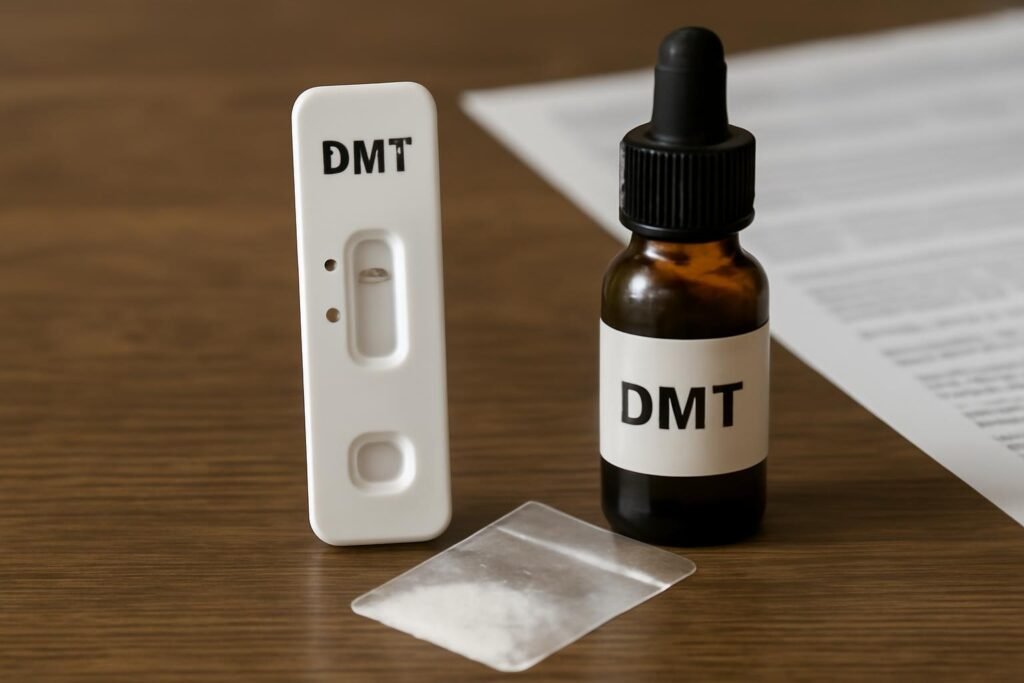
DMT drug checking may help identify some unexpected substances, but no consumer test kit can guarantee purity, dose, or safety. Here is how to interpret test results responsibly in the United States.
The U.S. psychedelic market is developing quickly, but research, regulated care, state programs, and online retail claims are not the same thing. This practical FAQ explains what consumers should know before trusting a commercial psychedelic claim.
Psychedelic retreat websites often combine wellness language, clinical-sounding promises, and commercial offers. This guide explains how to assess safety, privacy, legal exposure, and credibility before sharing personal information or making plans.
Psychedelic services use overlapping language that can confuse consumers. This guide explains the differences between therapy, facilitation, ceremony, retreat, and wellness while outlining practical questions about screening, consent, evidence, and legal status.
4-AcO-DMT is often marketed online as psilacetin, but an online listing does not establish that a product is legal or safe. Learn how federal analog rules, state law, research limitations, and consumer risks shape the U.S. legal landscape.